


The Most Northern Place is a Horizon Award winning web documentary about a small town in Northern Greenland.
It tells of a clash of cultures and a conflict of territory set during the run-up to the Cold War, and the forced the relocation of the Inuit population native to the town of Qanaaq by the U.S. Army, circa 1953. The Inuit word for Greenland is Thule, derived from Greek, meaning 'the most northern place'. The original people of the town of Thule are the ancestors of all modern Inuit, reaching the North-Western coast of Greenland by the 13th century.
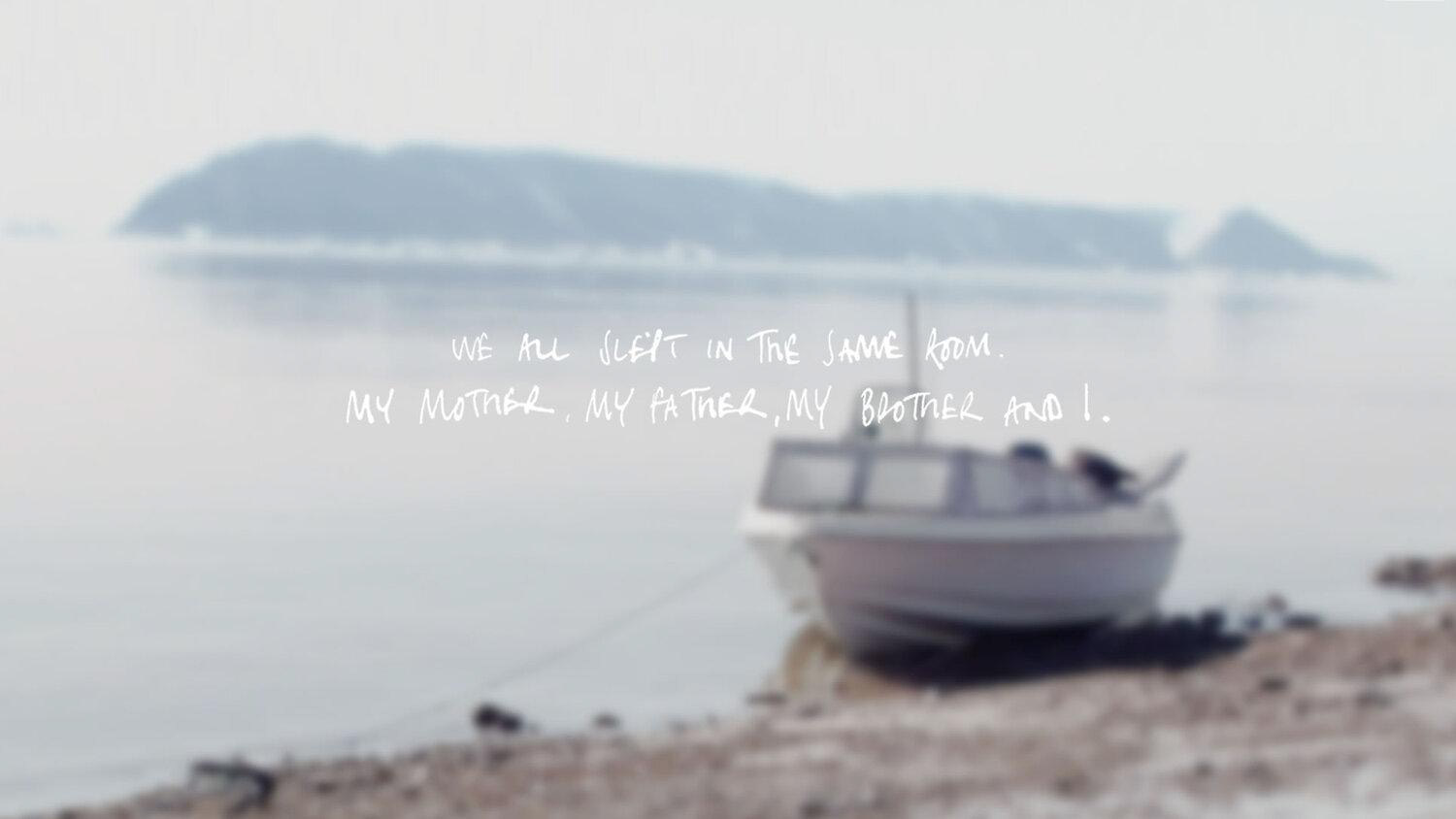
The Inuit people had minimal contact with Europeans until World War II ended and the build up to the Cold War began. Interest in the Arctic grew as it was a place where those countries that did not get along were very close to each other geographically.
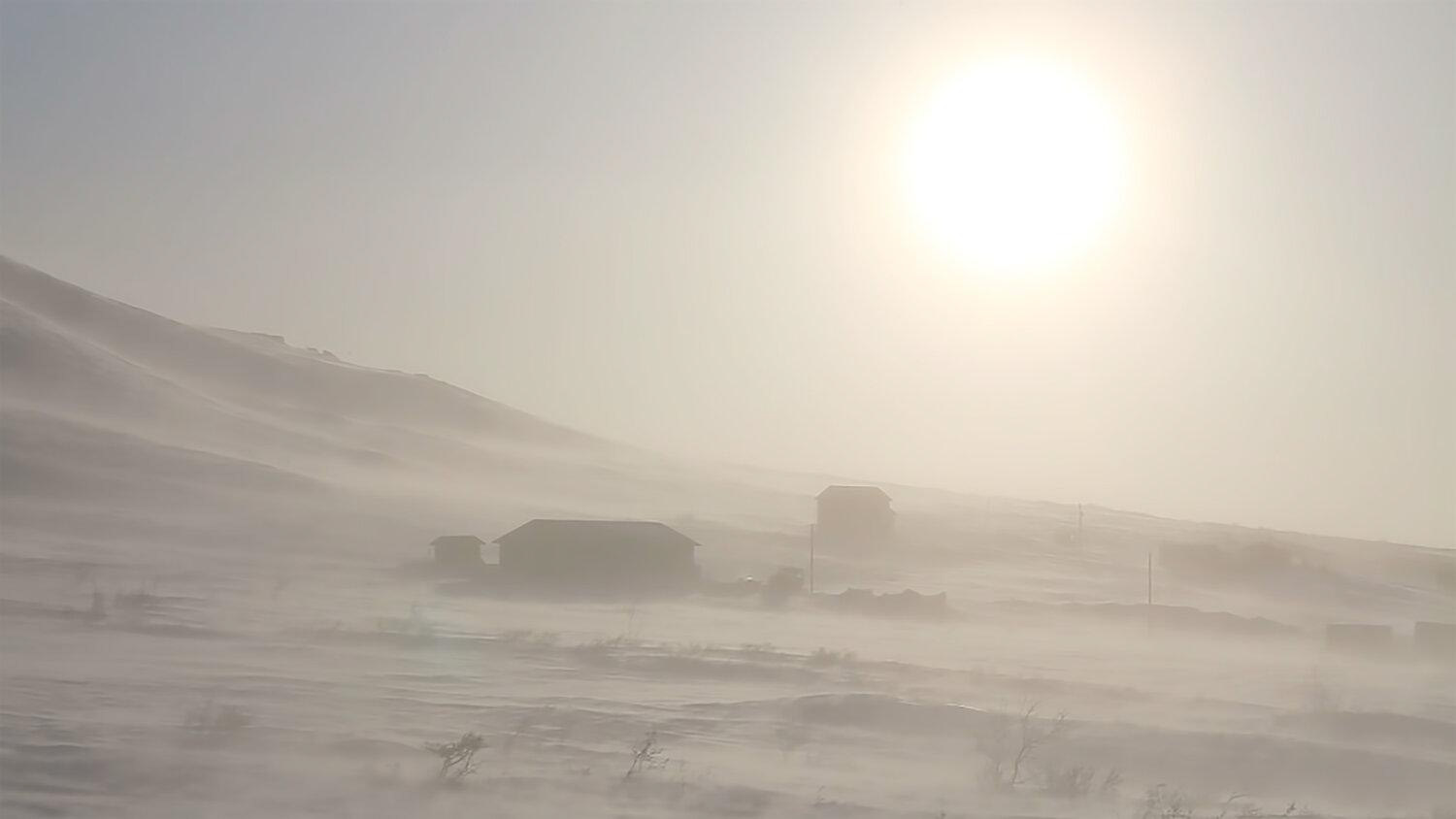
The U.S. Army, in particular, developed a strategic interest in the region and the Inuit soon realised they had company. Visitors to the website take small steps to explore an empty village and it's surrounding landscape; it is a place that is devoid of people, abandoned, beautiful but unforgiving.
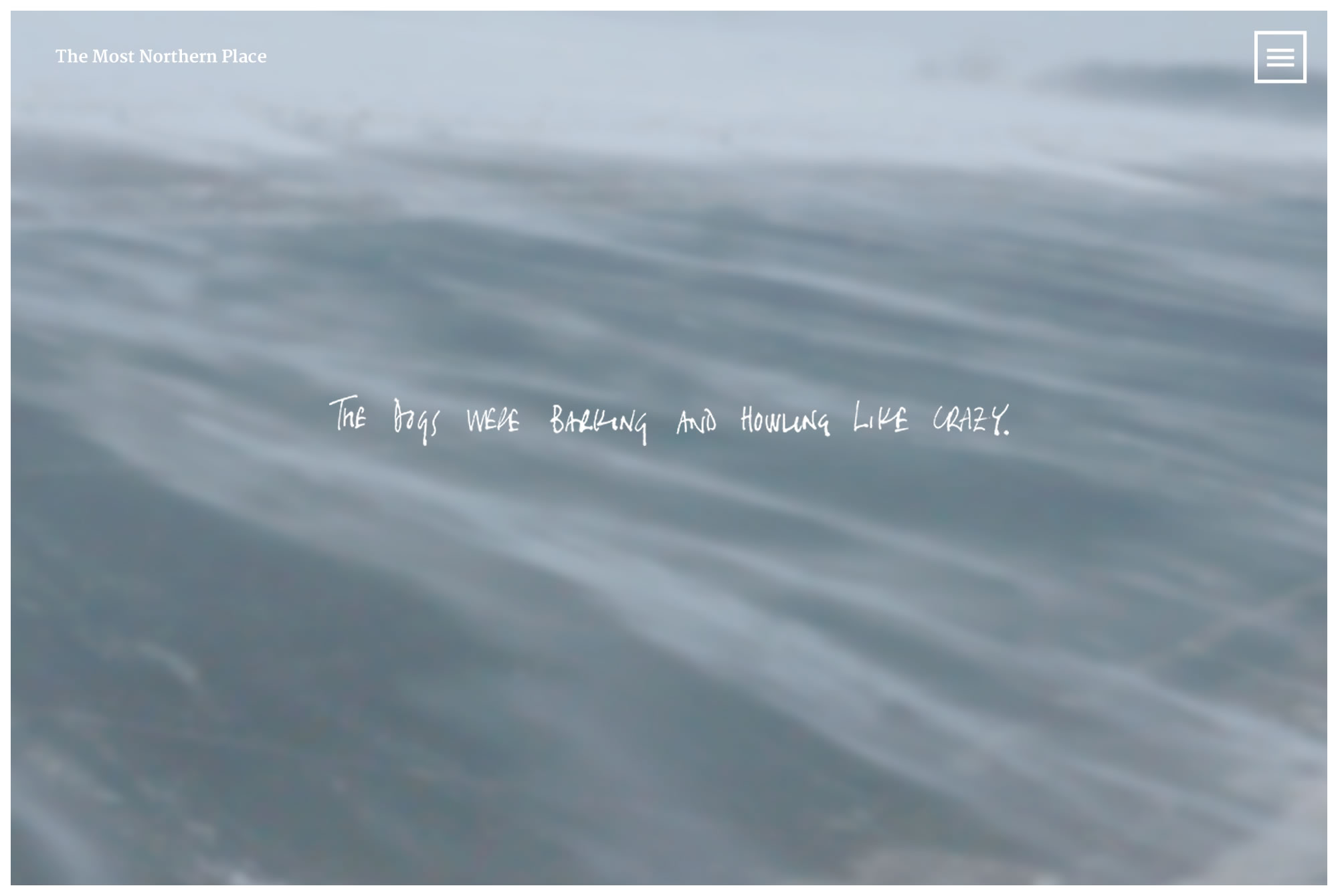
The story unfolds gradually, it is as if you’re wandering around yourself and you’re gradually getting a sense of the memories that will linger long after. Shot on location in Greenland, it asks the question: “What would Qaanaaq have looked like, the day after everyone left?
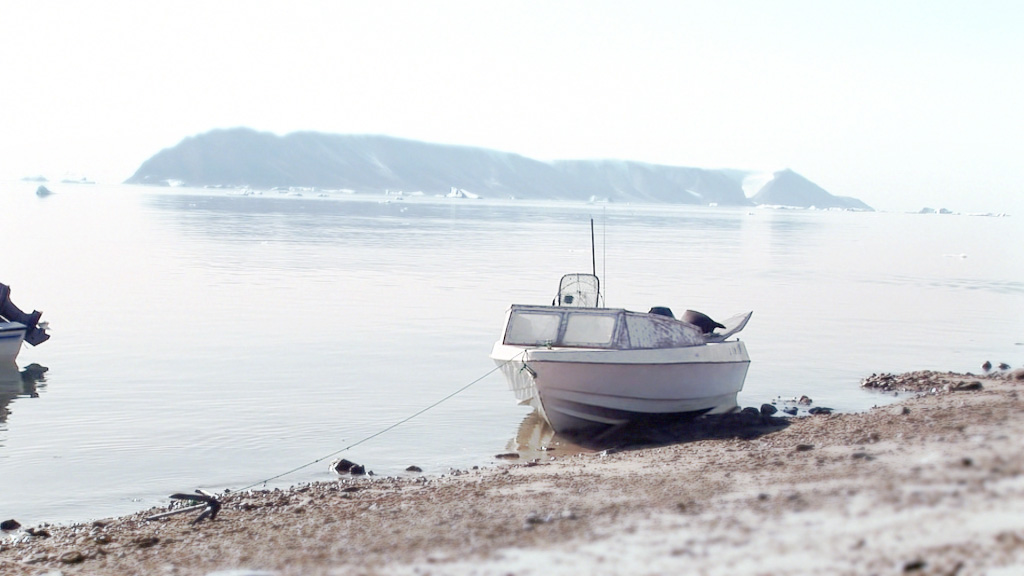
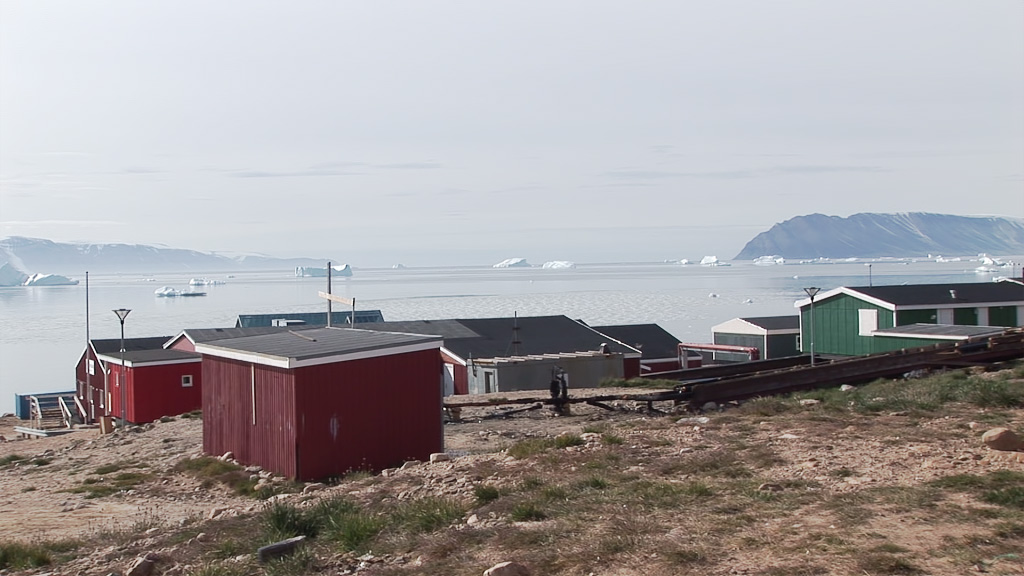
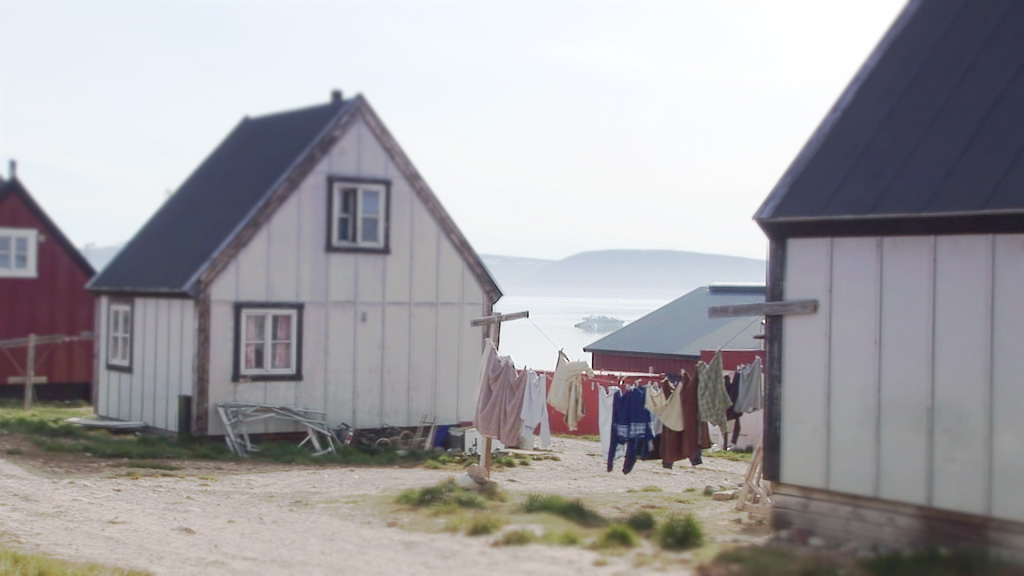
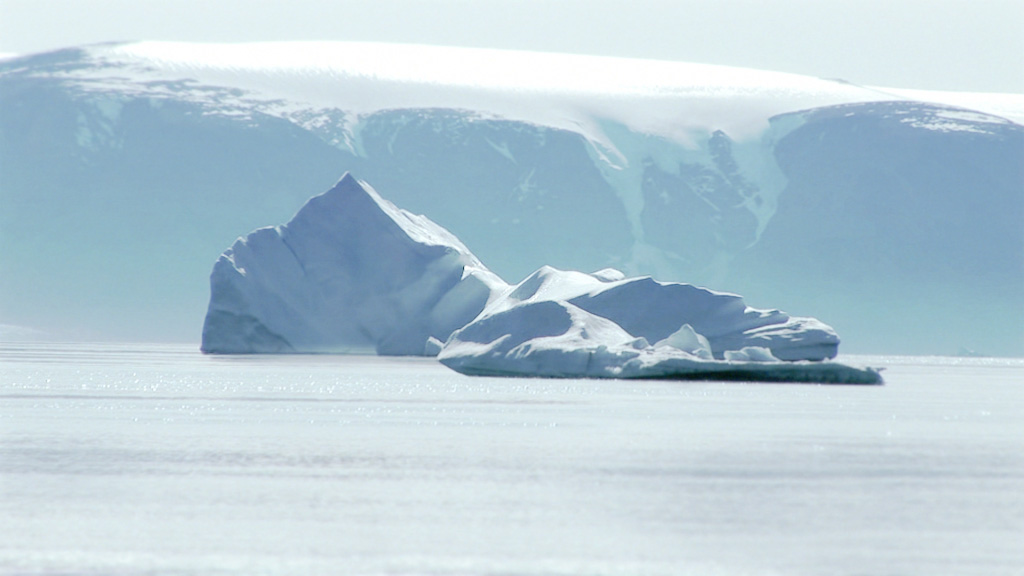
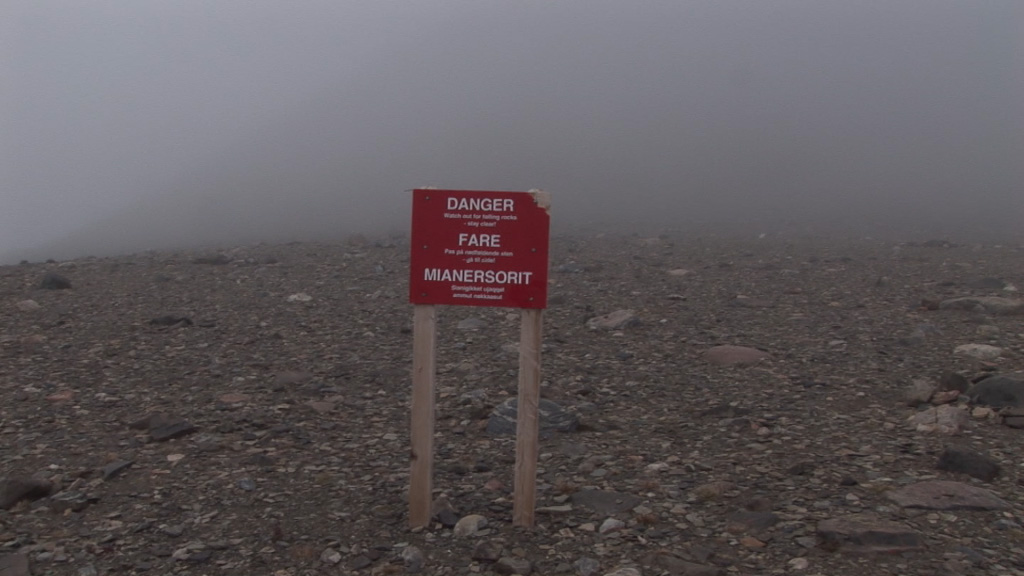
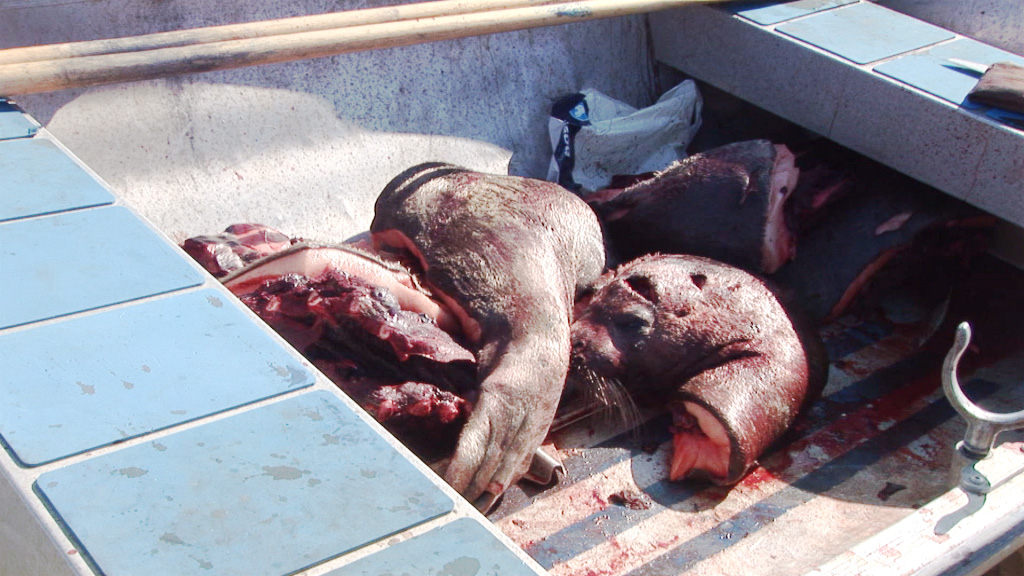
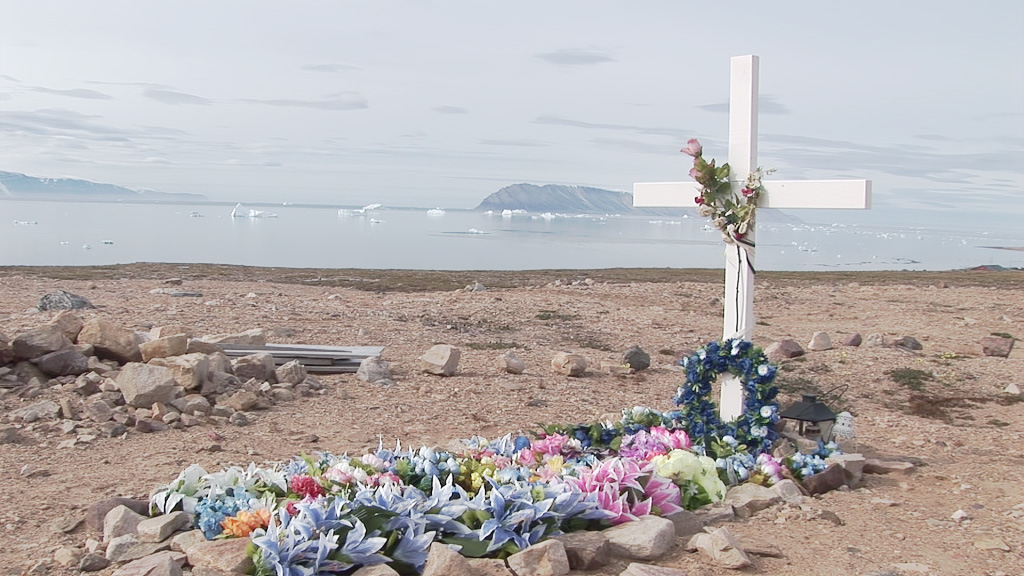
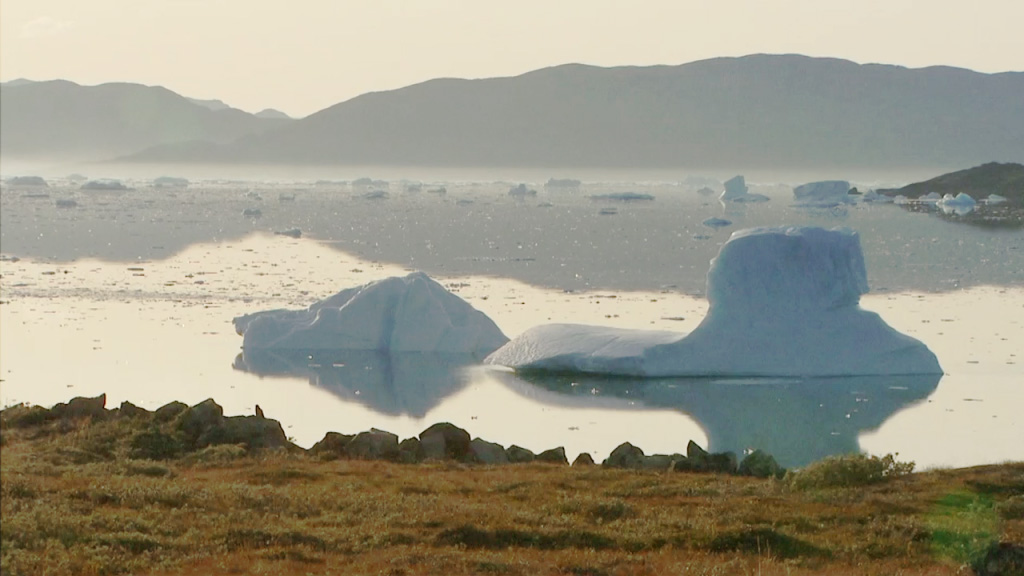
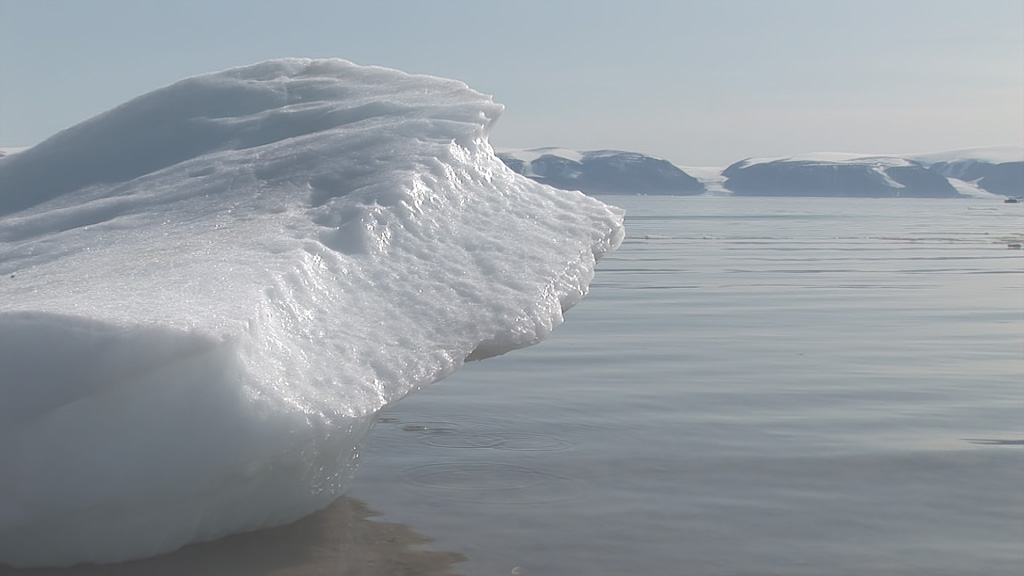
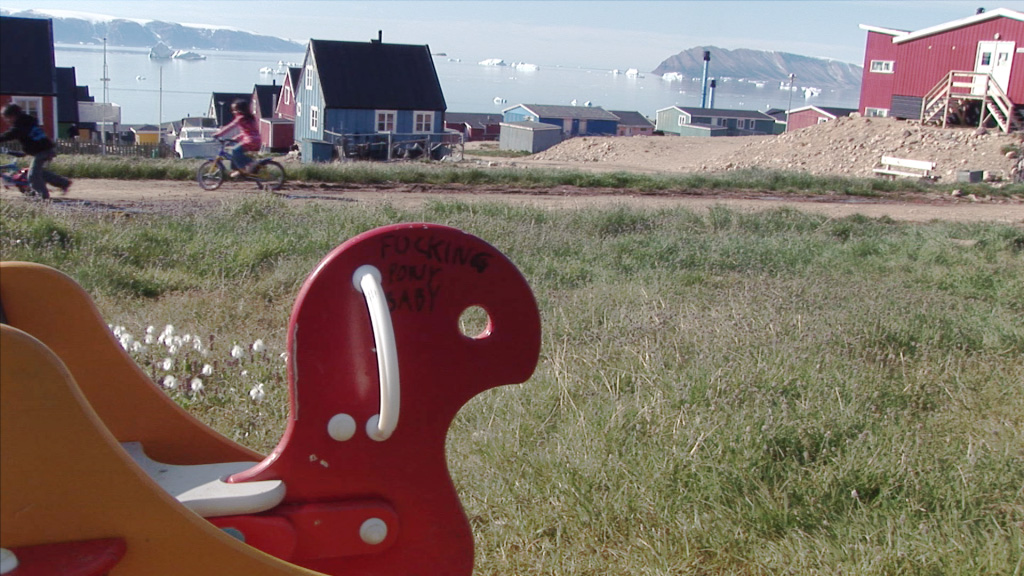
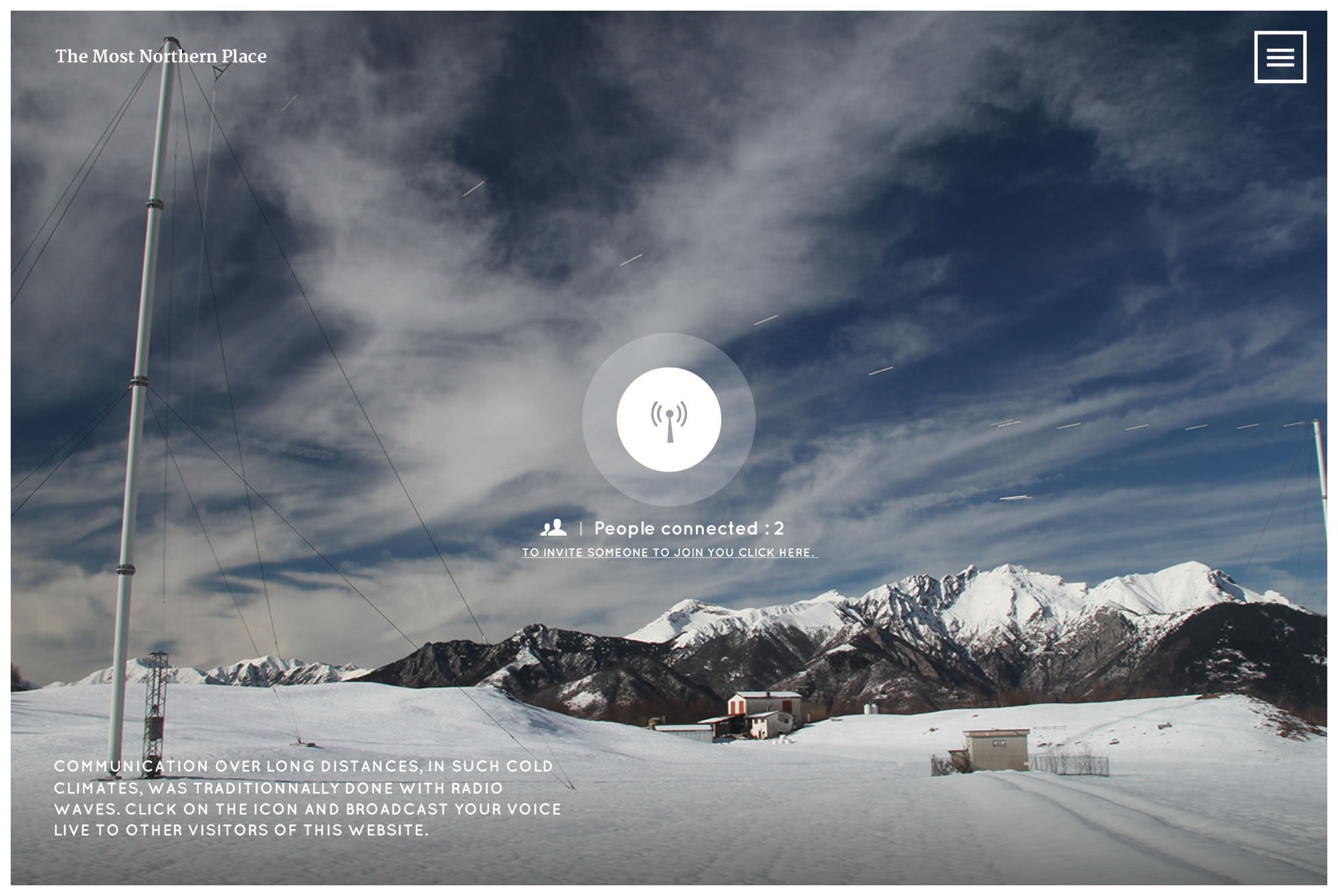
We did a lot of research about what life looked like for ordinary people during this time. One aspect that seemed interesting to recreate is the use of ham radios for communication over long distances, which were very common at the time. We build a page within the project that allows anyone who was present on that page to talk to anyone else, in real time, but with a delay calculated based on the users IP address, if visible.
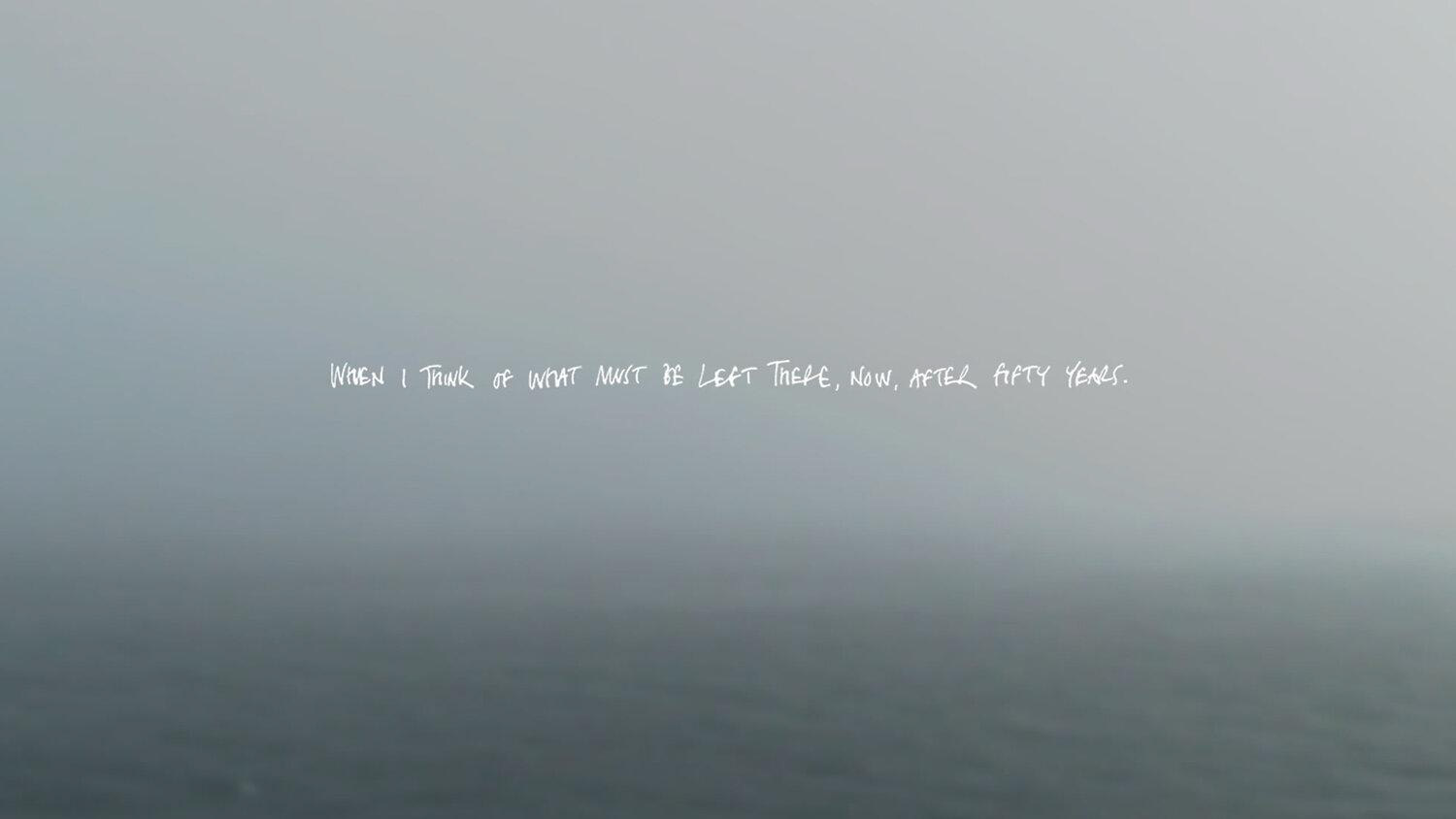
Alex Kozobolis's score for The Most Northern Place provided a soundtrack with depth and feeling, but without trying to suggest how viewers of the film should feel. His composition tries to emphasise the ambivalence of the memories.
You explore this story in your own time. The narrative does not try to impose emotions, and eaves the conclusion open to you.
The Most Northern Place was picked up by PBS in the USA and shown alongside other interactive documentaries focused on similar themes.
-
Luigi De Rosa is an Italian interactive developer specializing in WebGL and JavaScript. A Lead Developer at Active Theory, he has earned accolades from Awwwards and FWA for his cutting-edge web experiences.
Luigi De Rosa
Lead Developer
-
Alex Burt is a multidisciplinary film editor and VFX specialist.
Alex Burt
Editor
-

Richard Nathan is a sound designer based in London.
Richard Nathan
Sound Design
-
Alex Kozobolis is a London-based musician and composer known for his emotive piano compositions and minimalist soundscapes. Blending classical, jazz, and ambient influences, his work evokes introspection and timeless beauty.
Alex Kozobolis
Music Composition
-

A writer and Director specialising in drama and animation, Nicole has worked as Head Writer on "Chip and Dale: Park Life" for Disney+ as well as “Dead End: Paranormal Park” for Netflix. She has previously written episodes for "101 Dalmatian Street" and Story Edited on "The Amazing World of Gumball." She has worked in the US, Sweden and the UK in both production and development.
Nicole Paglia
Camera
-
Anrick is a Creative Director and explores the future of spatial immersive storytelling through experiences built with virtual and augmented reality, computer vision and machine learning.
Anrick
Director
-

Founder and Executive Producer of Roll Studio. Luisa delivers innovative design solutions that make an impact and is passionate about transforming customer-facing software into pioneering, beautifully crafted web experiences and apps.
Luisa Tatoli
Executive Producer
-
Roll Studio is a London-based digital production company specializing in interactive design, web development, and immersive experiences. They blend creativity and technology to craft cutting-edge digital solutions.
Roll Studio
Development Partner
-
A multidisciplinary production company working in different interactive areas: films, games, virtual reality and digital technology. Directors, writers and technologists work collaboratively to create content, advertising, utility and gaming.
Unit9
Production Partner